Why “Just One Brake” Is Unsafe Practice
Posted on 10 February 2026
Introduction
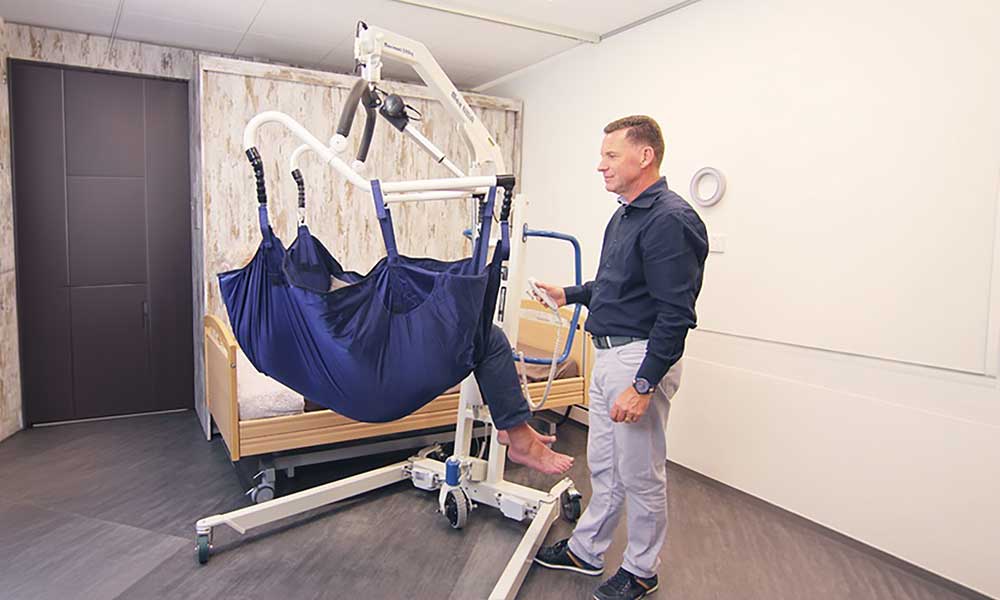
During a recent NHS training session on patient hoisting, a physiotherapist suggested that it was acceptable to apply one brake on a mobile hoist to help turn it – particularly on thick carpet where manoeuvring can feel difficult.
This advice was well-intentioned, but it is incorrect and unsafe.
After checking manufacturer guidance, best-practice manuals, and current manual-handling principles, it’s clear that applying a single brake to aid turning should not be taught or used in clinical practice.
Let’s unpack why.
Why the “One Brake to Turn” Idea Exists
This practice often comes from:
While understandable, difficulty does not justify unsafe technique.
What Manufacturers and Guidance Actually Say
Across major hoist manufacturers (e.g. Arjo, Invacare, Oxford/Joerns), guidance is consistent:
Castor brakes are designed for:
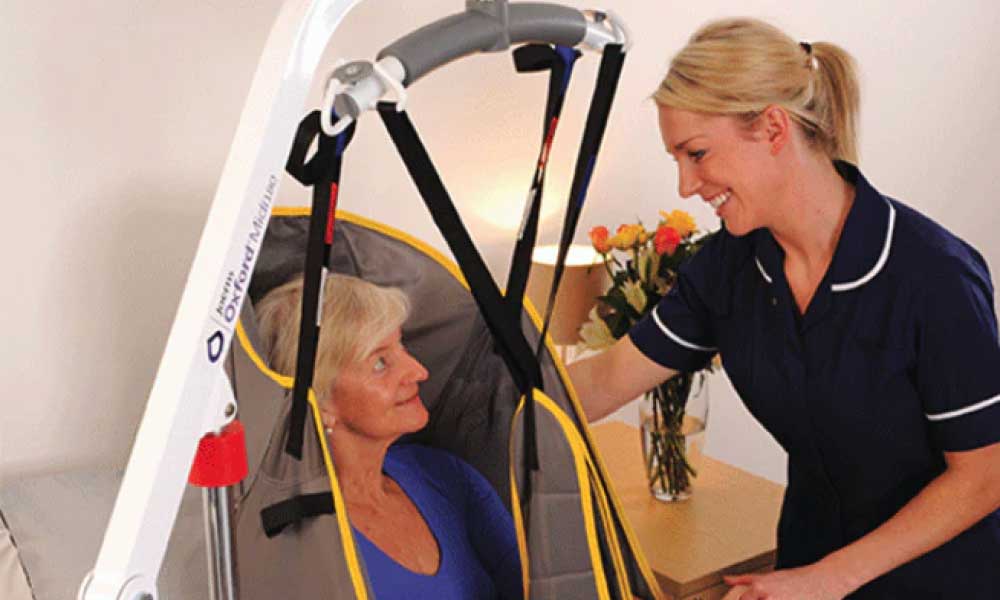
They are NOT designed to be used while manoeuvring a hoist with a patient suspended.
No manufacturer recommends:
The Real Risks of Using One Brake
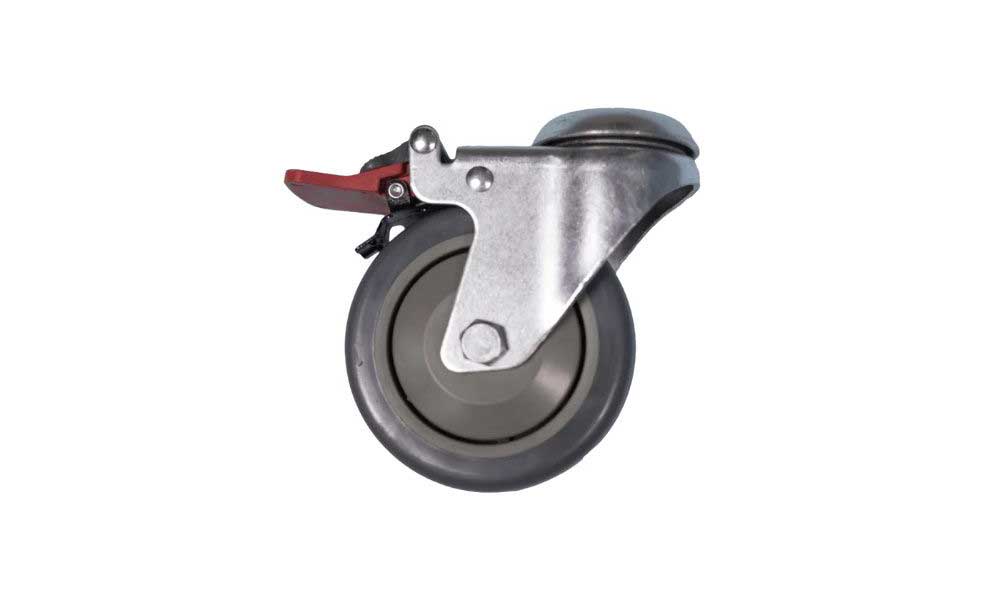
1. Increased Risk of Tipping
Locking one castor introduces torsional forces through the hoist frame. With a patient suspended, the centre of gravity is already elevated – adding resistance on one wheel increases instability.
2. Sudden Release = Loss of Control
If the brake slips or releases unexpectedly:
3. Higher Manual Handling Risk for Staff
Forcing a hoist against a locked wheel:
4. False Sense of “Control”
It can feel more controlled – but that control is artificial and unpredictable, especially on carpet.
What Should Be Done Instead?
All Brakes Off When Manoeuvring
When moving a hoist with a patient:
This allows:
Re-Position Before Lifting
If turning space is limited:
Use Micro-Movements
Instead of trying to pivot:
Address the Environment
If thick carpet is the issue, the solution is not technique-workarounds:
What This Means for Training and Teaching
This scenario highlights a key issue in manual handling education:
Clinical seniority does not override equipment guidance or biomechanics.
Even experienced clinicians can unintentionally pass on unsafe shortcuts if they’ve never been formally challenged.
As trainers, we have a responsibility to:
The Bottom Line
Putting one brake on a hoist to help turn it is not safe practice.
It:
If a hoist is difficult to move, that’s a risk-assessment and equipment issue, not a technique problem.
Tagged as: