Why the Type of Hoist Spreader Bar Matters for Patient Comfort and Safety
Posted on 14 April 2026
Introduction
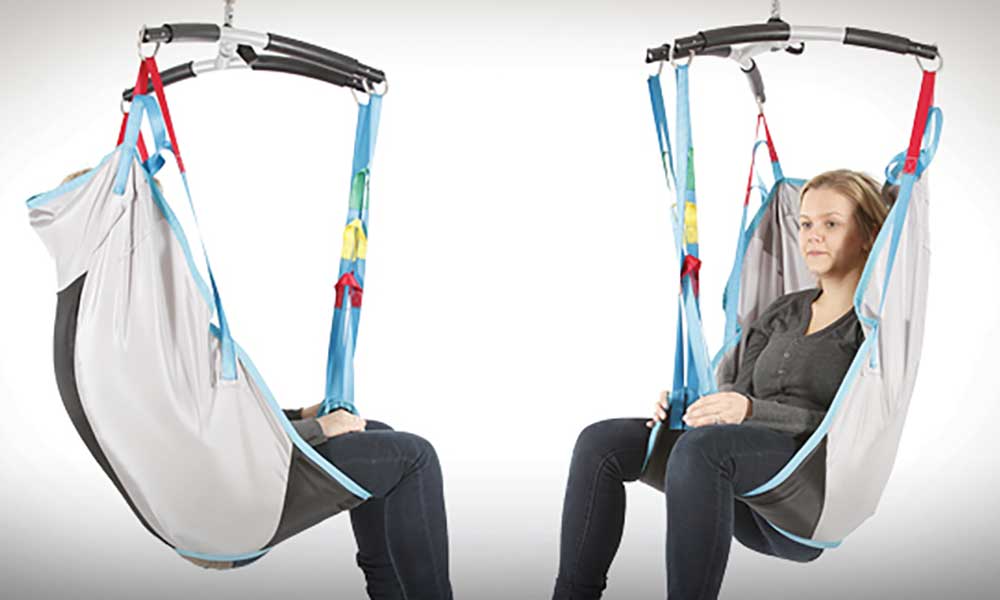
The type of spreader bar used with a patient hoist can significantly affect comfort, positioning and safety. Chartered Physiotherapist Angela Hinton explains why choosing the right spreader bar matters.
Why the Type of Hoist Spreader Bar Matters for Patient Comfort and Safety
When discussing moving and handling equipment, most attention is usually given to the hoist itself or the sling being used. However, one important component is often overlooked – the spreader bar.
The type of spreader bar used on a hoist can have a significant impact on patient comfort, positioning and safety during transfers.
As a Chartered Physiotherapist delivering People Moving and Handling Train the Trainer courses, I often highlight how the design of a spreader bar can influence the way a sling supports an individual.
Understanding these differences can help care staff provide safer and more comfortable transfers for the people they support.
What Is a Hoist Spreader Bar?
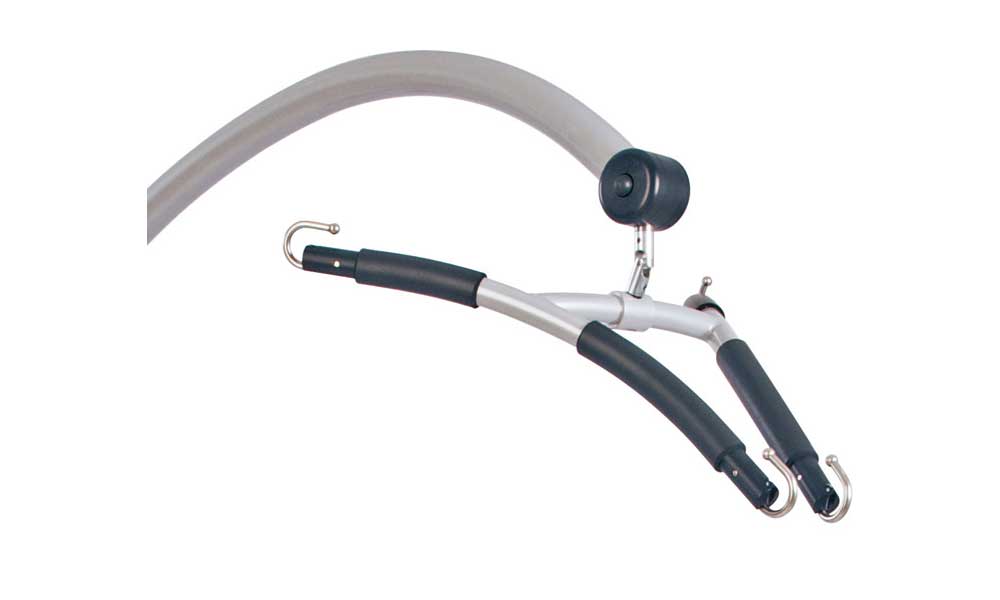
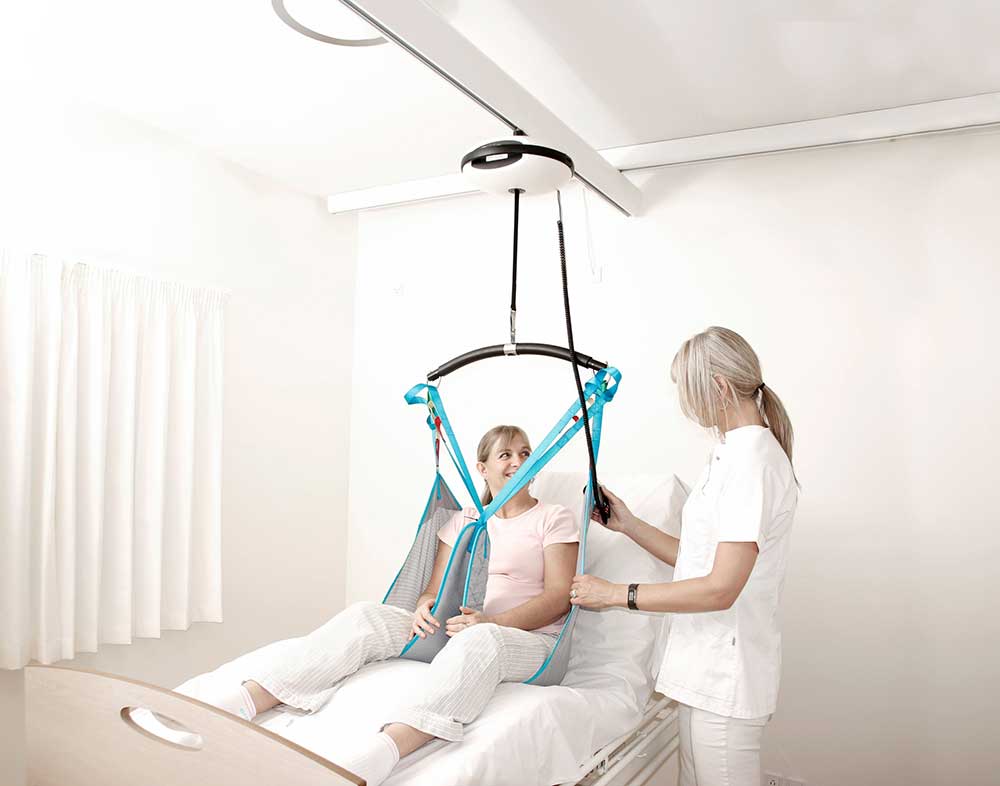
A spreader bar is the attachment point on a hoist where the sling connects. It distributes the load between the sling attachment loops and helps position the individual correctly during lifting and transfers.
Different spreader bar designs affect:
Selecting the correct spreader bar is therefore an important part of safe moving and handling practice.
Common Types of Hoist Spreader Bars
There are several types of spreader bars used in healthcare and care settings. The two most common are two-point spreader bars and four-point spreader bars.
Two-Point Spreader Bars
Two-point spreader bars have two main attachment points for the sling.
These are commonly used with loop slings and are often found on mobile hoists in care homes and hospitals.
Advantages include:
However, because the sling is supported from two points, the individual may feel more gathered or slightly more flexed at the hips depending on the sling design.
Four-Point Spreader Bars
Four-point spreader bars provide four attachment points, usually supporting the shoulder and leg sections of the sling separately.
These bars often provide:
Many people find this type of support more comfortable during longer transfers.
Four-point spreader bars can also provide better positioning for individuals who require additional stability or postural support.
How Spreader Bar Design Affects Patient Comfort
The interaction between the sling design and the spreader bar plays an important role in determining how comfortable a hoisted transfer feels.
Key factors influenced by spreader bar design include:
Weight Distribution
A spreader bar that supports the sling evenly can reduce pressure points and discomfort during lifting.
Body Position
Different spreader bars can influence whether the person sits more upright or more flexed in the sling.
Hip and Leg Positioning
The angle of the sling attachment can affect hip alignment and leg support, which may influence comfort during transfers.
Feeling of Security
Some individuals feel more secure and stable when their weight is distributed across multiple sling attachment points.
Why Equipment Compatibility Is Important
Not all slings are compatible with every spreader bar.
Care providers must ensure that:
Using incompatible equipment can increase the risk of poor positioning, discomfort or unsafe lifting.
Training and Equipment Awareness
Many moving and handling injuries occur when staff are unfamiliar with equipment or unsure about the best approach for a particular situation.
Training helps staff understand:
This knowledge is particularly important for staff responsible for risk assessments and moving and handling planning.
Final Thoughts
While hoists and slings receive most attention during moving and handling training, the type of spreader bar used can make a significant difference to patient comfort and positioning.
Understanding how different spreader bars work helps ensure that transfers are safe, comfortable and dignified for the person being supported.
For organisations supporting individuals with complex mobility needs, careful consideration of equipment – including the spreader bar – can play an important role in improving overall handling practice and patient care.
People Moving and Handling Train the Trainer Courses
Fit4Work provides People Moving and Handling Train the Trainer courses designed to help organisations deliver high-quality training to their own staff.
Courses are delivered by Chartered Physiotherapist Angela Hinton, with over 30 years of experience in rehabilitation, manual handling and workplace injury prevention.
Tagged as: