What actually stops back injuries at work (it’s not what most people think)
Posted on 2 October 2026

Introduction
Back Care Awareness Week always brings out the same advice: lift with your knees, sit up straight, take regular breaks. All true. None of it is what actually prevents an injury on its own.
I’ve delivered manual handling and DSE training in enough workplaces to see the same pattern play out. The businesses with fewer back injuries aren’t the ones with the best posters on the wall – they’re the ones that treat back care as three things working together, not one.
Training that matches the job, not the template
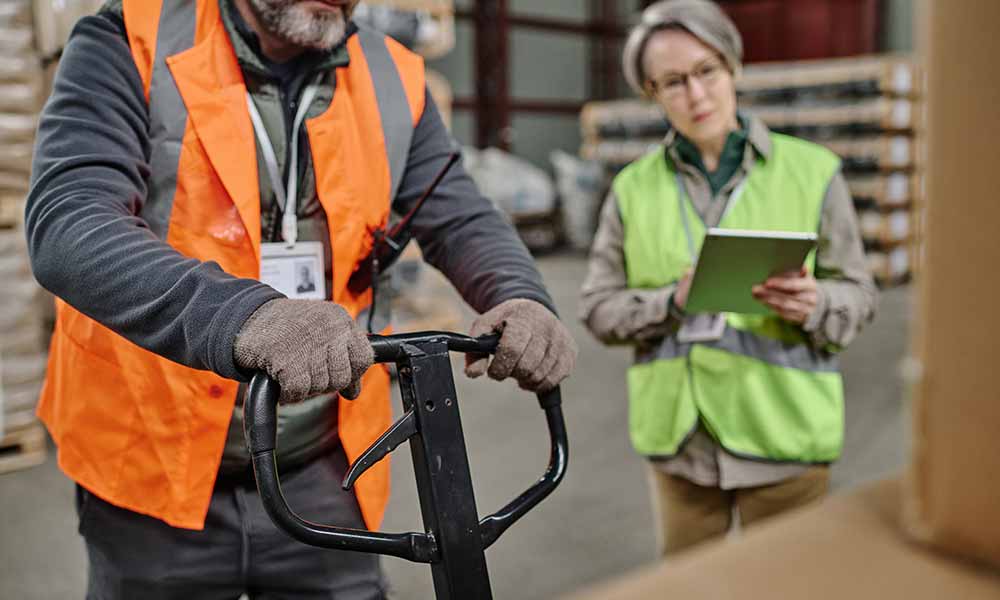
Generic manual handling training ticks a compliance box. It doesn’t teach someone how to lift a specific load, in a specific space, using specific equipment. The training that actually changes behaviour is built around what people are lifting, carrying, or sitting at, day to day – not a one-size-fits-all video.
Assessment before injury, not after
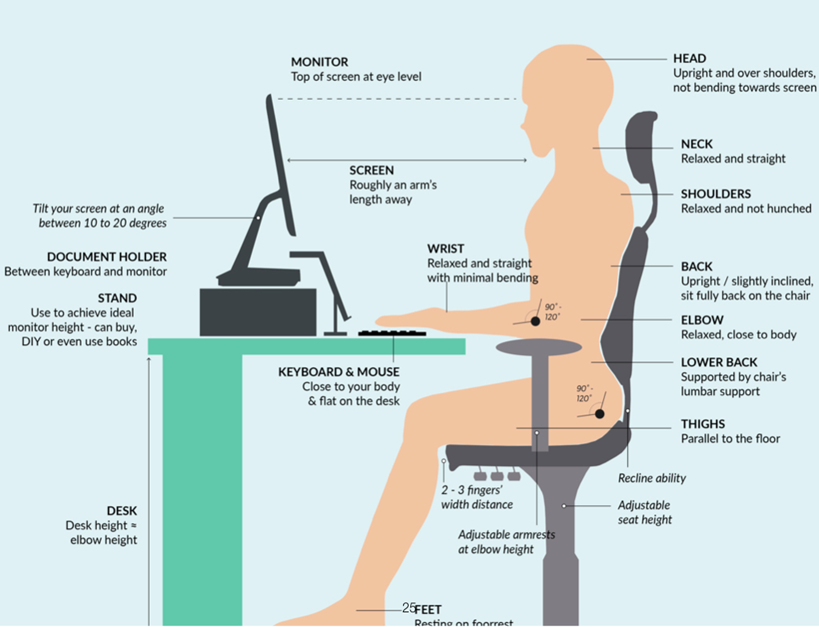
Most workplaces only look closely at how someone lifts, sits, or moves once something has already gone wrong. A proper workstation or manual handling assessment, done before there’s a problem, catches the small things – a chair set at the wrong height, a repeated twisting movement, a desk that’s never been adjusted since it was unboxed – before they become weeks of sick leave.
Habits that survive a busy day
Good technique demonstrated once in a training session rarely survives contact with a genuinely busy shift. The habits that stick are the ones built into how a task is actually done – where things are stored, how a workstation is set up, what “normal” looks like for that role. That’s the bit training alone can’t fix, and it’s usually where I spend most of my time when I’m working with a business.
Back injuries cost workers and employers more than any other type of work-related ill health in the UK – HSE’s most recent figures put work-related musculoskeletal disorders at 511,000 affected workers a year, and 7.1 million lost working days. Back conditions make up the largest share of that. It’s a genuinely preventable problem, and it responds well to the right combination of training, assessment, and habit change.
If you want to know where your business sits on any of these three, I run manual handling and DSE assessments and training over Zoom, as well as in-house at your own premises. Get in touch and I’ll talk you through what that would look like for your team.
Tagged as: