NaughtOne HQ
Case Study Overview
Training Course Delivered
Industry sector
Location
Training Carried Out


Case Study Details
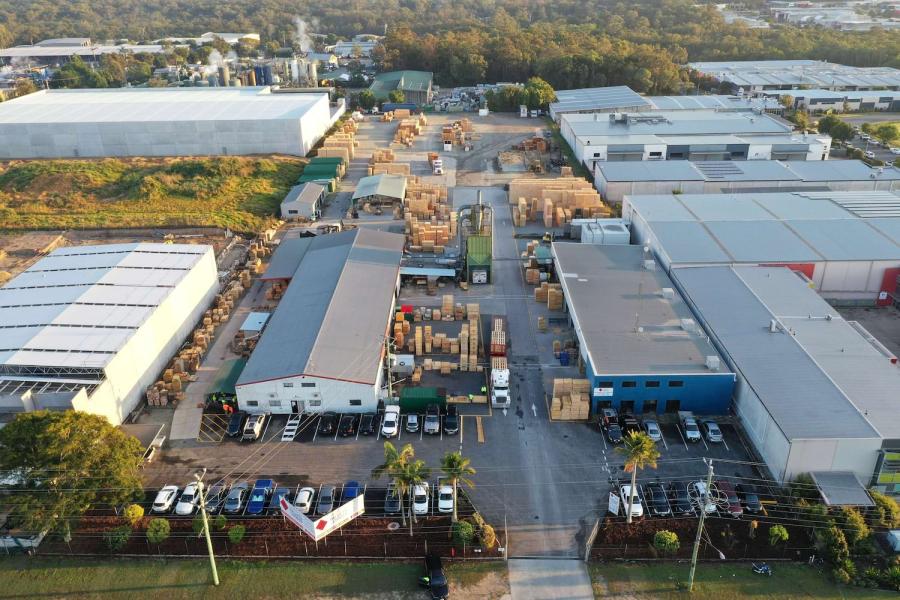
NaughtOne specialises in furniture making in Yorkshire. They requested an IOSH Approved Manual Handling Train-the-Trainer course because they recognised the necessity of elevating their health and safety training to a higher standard within their company.
Two individuals attended the course, which was conducted on their premises.
Firstly, the course focused on the theoretical aspect and encompassed the following topics:
Theory Session
Practical Session
As a 'train the trainer' course, the delegates were actively engaged. To help them prepare a lesson plan for their future training, Angela encouraged them to consider and discuss their ideas on which topics should be included in their moving and handling training, the ideal duration for the training, and the intended audience. They were informed that these topics would be revisited at the end of the course to evaluate any changes in their perspectives.
At the end of the course, they expressed a desire to add anatomy and efficient movement principles to their list of topics and, therefore, include them in their lesson plan. This lesson plan would ensure that they delivered the same consistent training to all employees.
Assessment Process
On the second day, the delegates finished their Theory assessment paper and presented their 10-minute PowerPoint presentation, followed by their practical assessment. The practical assessment required them to show how they would conduct their practical session during their training course.
Angela likes to observe employees carrying out their responsibilities to understand the types of job tasks performed and the postures adopted while at work. By doing this, Angela can explain to the delegates on the course how injuries might occur due to the methods currently employed. She then provides them with a better alternative. For instance, Angela observed an employee at NaughtOne lifting a large, heavy roll of fabric to transport it to the end of the table for rolling out. Although it wasn’t a repetitive task and only involved a short walking distance, considerable effort was required, as the fabric roll was heavy, and the employee adopted an awkward posture. Angela suggested using a lightweight foldable sack truck to transport fabric rolls vertically and without strain.