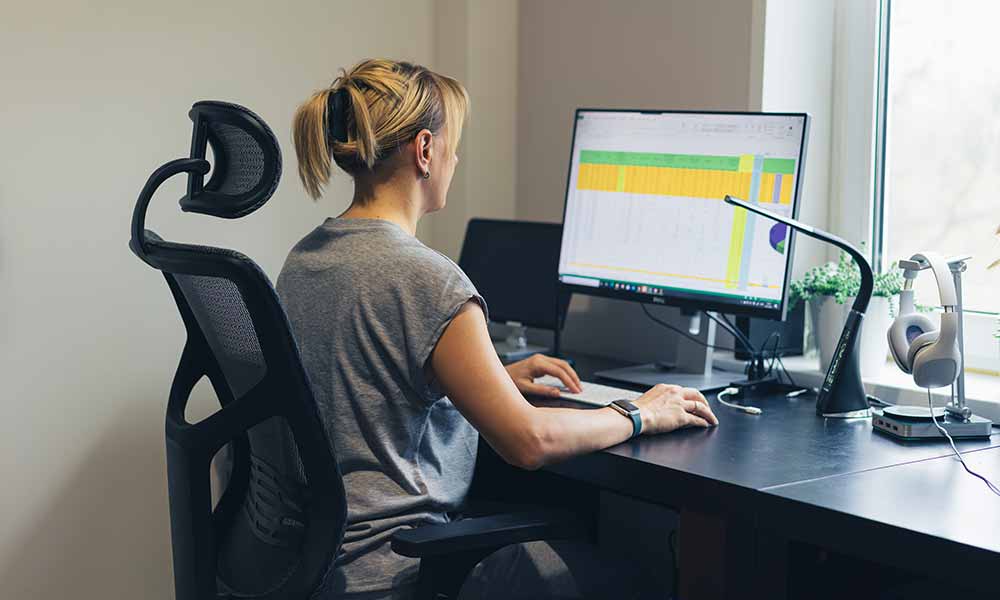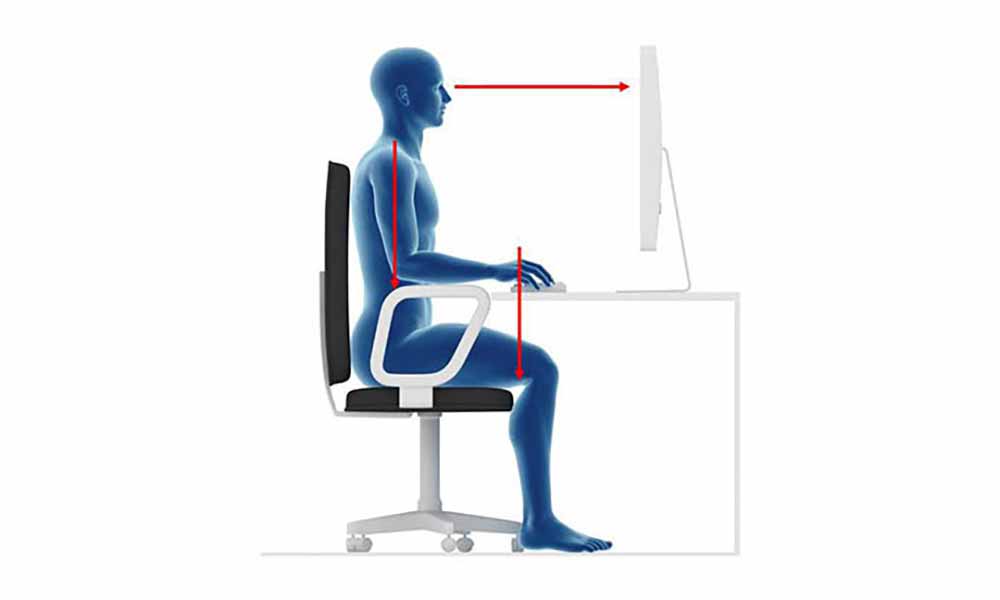
How DSE Assessments Can Prevent Repetitive Strain Injuries at Work
Everyday habits at your desk could be putting you at risk of RSI. Learn how to spot the warning signs and take steps to stay comfortable and injury-free.
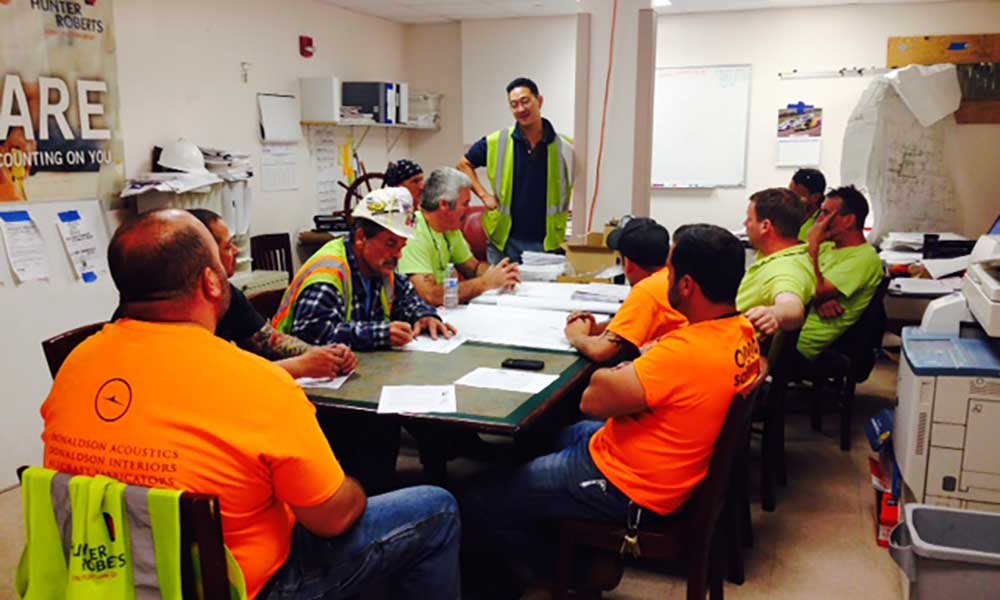
Toolbox Talks are short, focused safety discussions that help teams stay alert, informed, and prepared on the job. Learn how these quick sessions reinforce good practice, boost communication, and play a vital role in keeping workplaces safe.
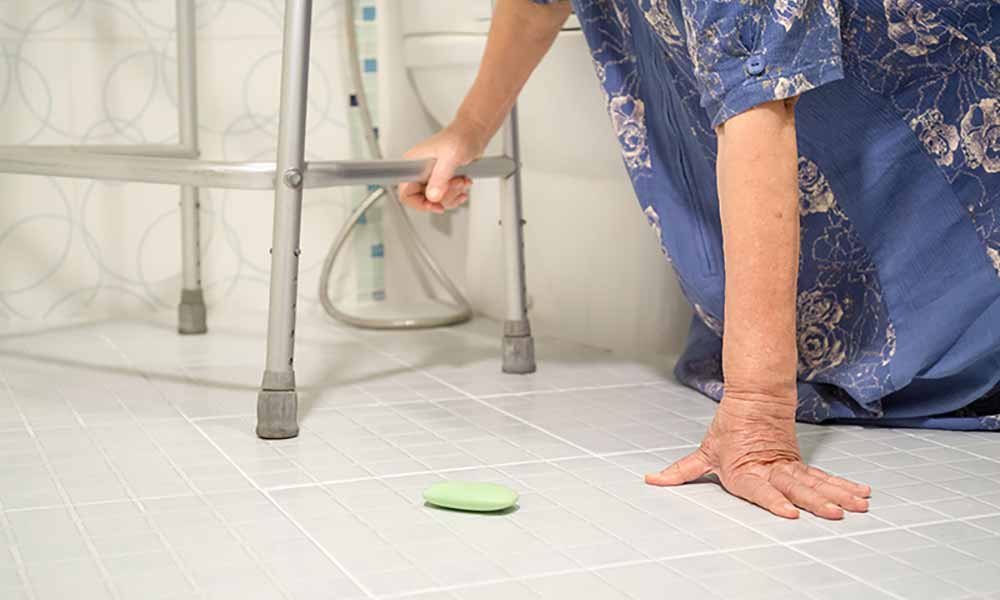
From assessing the scene to offering support, helping a fallen patient requires confidence and care. Discover best practices for handling these situations safely.
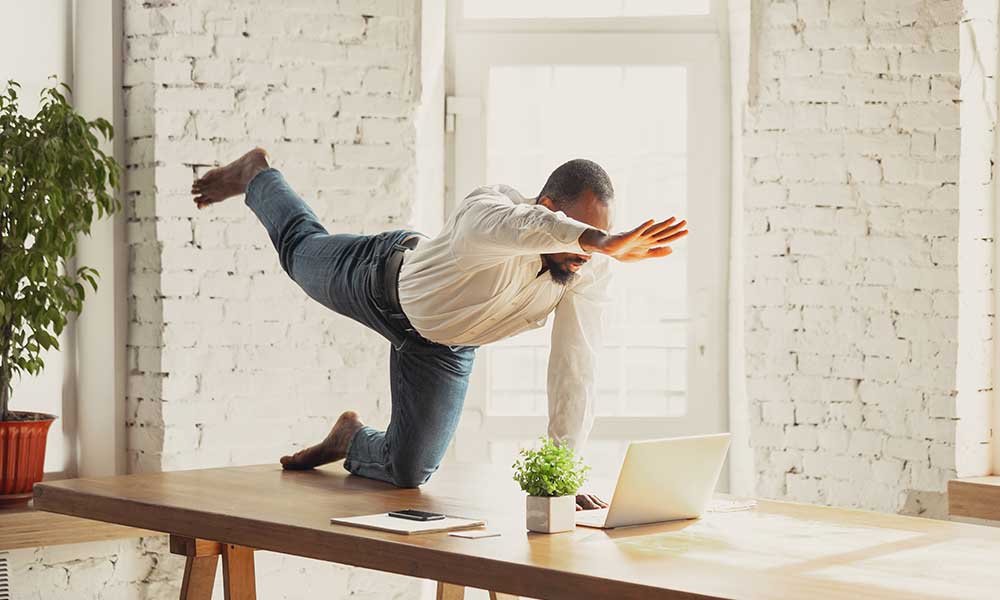
Pilates offers a simple, low-impact way to counter the strain of long hours at a desk. Explore how strengthening core muscles, improving posture, and encouraging mindful movement can boost workplace wellbeing and help teams feel healthier and more energised.
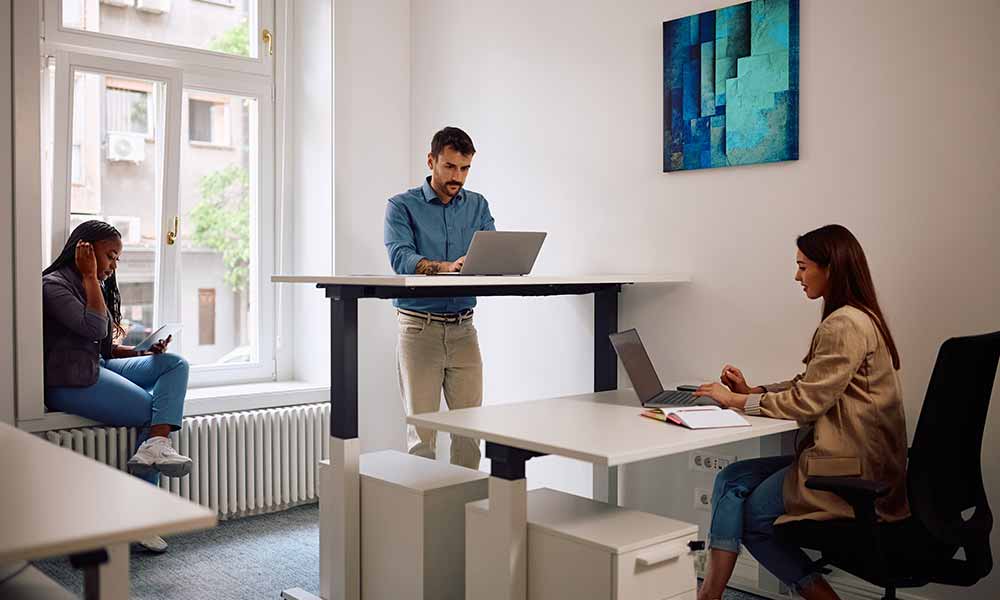
Sitting all day takes a toll on your body, but staying active at work doesn’t have to be difficult. Discover six simple “deskercise” moves - from stair climbs to wall push-ups - that fit into any busy schedule and help keep you healthy at your desk.
Small changes to your workstation can have a big impact on wellbeing. Find out how an ergonomic mouse can protect your wrists, reduce fatigue, and improve productivity.
Office “cake culture” might feel friendly, but constant sweet treats can quietly derail healthy habits. Explore why office feeders have such an impact - and how small changes in workplace snacking can support everyone’s wellbeing.
Dyslexia affects millions of employees, yet it often goes unnoticed. Discover how this invisible disability impacts everyday work tasks, the signs managers should be aware of, and the simple adjustments and technologies that can help staff with dyslexia thrive in the workplace.
Staying safe and well at work doesn’t have to be complicated. Discover key tips to look after yourself, support your colleagues, and prevent avoidable workplace risks.
Raising the retirement age to 70 sparks an important question: will we still be healthy enough to work that long? Explore how ageing affects our ability to stay active, the unexpected benefits of working later in life, and the simple steps we can take now to stay fit for the future.